A loud request is not a shared problem.
The person who asks loudest is rarely the person whose problem leads. Before anything is scoped, find out whose work the case actually belongs to.
A Path through the Process pillar — seven briefings, complete.
Most AI initiatives fail before anyone writes a line of code, at the moment a vague pain becomes a vague project. This Path takes one recognisable case — the Monday-morning supplier problem — and walks it from felt pain to a decision a delivery team can build against: who owns the case, what the work actually is, what not solving it costs, what the future state realistically looks like, and what the requirements conversation sounds like. Everything here follows our evidence standard.
The person who asks loudest is rarely the person whose problem leads. Before anything is scoped, find out whose work the case actually belongs to.
Draw it, then ask the people on it to correct you. A map nobody has argued with is a guess with names attached.
What the process document says and what happens on a Tuesday are different things. Automate the second and you automate reality; automate the first and you automate a fiction.
The cost of not solving can be estimated honestly — assumption stated, source named, and a person willing to validate it. That is not the same as a fictional ROI.
A credible future state shows the control boundary, weighs the cost to solve against the cost of waiting, and says plainly what the method does not fix.
06 · From Current State to a Credible Future State: Cost, Control & Change
It is a fast first pass and a tireless note-taker. The decision, and the accountability for it, stay with the people who carry the work.
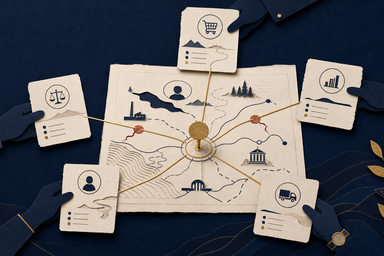
01Live
The Monday-Morning Supplier ProblemFollow one supplier-onboarding case from an AI-assisted first pass to shared validation, a defensible use case and a better leadership decision.

02Live
The Supplier Case Has More Than One OwnerMap the Users, Buyers, Deciders, Influencers and Transformers shaping a real workflow before choosing an AI solution.

03Live
From Pain Point to a Real Use Case: Needs, Wants and OpportunitiesA practical AI use-case discovery activity: separate pain, need, want and opportunity, use AI responsibly, and carry evidence into process mapping.

04Live
Map the Work Before You Automate ItA practical process mapping guide for AI and workflow automation: map a real case, reveal breakpoints and decide what should change before automating.

05Live
The Cost of Not Solving: Making Process Pain VisibleA practical guide to make process pain visible: use mapped evidence, transparent proxy values and validation owners to decide whether a workflow deserves change.
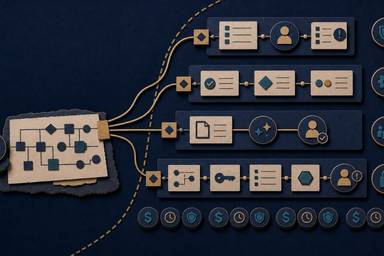
06Live
From Current State to a Credible Future State: Cost, Control & ChangeA practical way to compare future-state options for AI and automation: cost to solve, control boundaries, human accountability and change load.
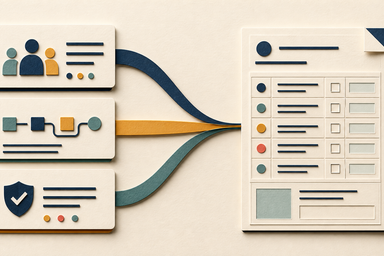
07Live
Requirements Engineering for AI-Enabled WorkA practical requirements-to-delivery trace for AI-enabled work: clarify evidence, system implications, authority boundaries and acceptance tests.
The Use-Case Canvas itself — one A3 sheet that carries a team from a loud AI request to a decision they can defend. It is free, print-ready and needs no sign-up: download it from the Toolkit.